Sorting
Source
Legimi
(229)
Form of Work
E-booki
(229)
Author
Cather Willa
(14)
Orwell George
(12)
Poe Edgar Allan
(7)
Trollope Anthony
(7)
Burroughs Edgar Rice
(6)
Orczy Baroness Emma
(6)
Christie Agatha
(5)
Austen Jane
(3)
Chopin Kate
(3)
Conrad Joseph
(3)
Exupéry Antoine de
(3)
Hardy Thomas
(3)
London Jack
(3)
Nietzsche Friedrich
(3)
Shakespeare William
(3)
Shaw George Bernard
(3)
Various
(3)
Andersen Hans Christian
(2)
Dumas Alexandre
(2)
Fengsavanh Syamphay
(2)
Hill Napoleon
(2)
Lofting Hugh
(2)
Paine Thomas
(2)
Pyle Katharine
(2)
Ransome Arthur
(2)
Shelley Mary
(2)
Ukray Murat
(2)
Wilde Oscar
(2)
Wodehouse P. G
(2)
Al-Alloush Obai
(1)
Ali Sabahattin
(1)
Anonymous
(1)
Aristotle
(1)
Baldwin James
(1)
Bangs John Kendrick
(1)
Batten John D
(1)
Baum L. Frank
(1)
Baum Lyman Frank
(1)
Belloc H
(1)
Bone J. F
(1)
Bouakhamvongsa Chansamone
(1)
Brown Abbie Farwell
(1)
Bunyan John
(1)
Carter Henry Vandyke
(1)
Chambers Robert W
(1)
Chamoli Manohar
(1)
Cheh Komar Rien Komar
(1)
Chinniah Shonali
(1)
Cooke Marjorie Benton
(1)
Culpeper Nicholas
(1)
Curwood James Oliver
(1)
Cutter Calvin
(1)
Cuyer Édouard
(1)
Deshmukh Nabanita
(1)
Dich Sat
(1)
Dickens Charles
(1)
Dostoyevsky Fyodor
(1)
Douangpanya Somchit
(1)
Douangphachanh Sisamouth
(1)
Doyle Arthur Conan
(1)
Eipe Rajiv
(1)
Eliot George
(1)
Escomez J. Munoz
(1)
Ferber Edna
(1)
Fitzgerald F. Scott
(1)
Flaubert Gustave
(1)
Freud Sigmund
(1)
Gale Zona
(1)
Gask Lilian
(1)
Gaskell Elizabeth
(1)
Gibbs Damian
(1)
Gibran Kahlil
(1)
Gimo Basilio
(1)
Goldman Emma
(1)
Grey Zane
(1)
Hale Edward E
(1)
Hammurabi
(1)
Hoffmann E. T. A
(1)
Hook Robert
(1)
Hugo Victor
(1)
Ibraheem Al-Sayyed
(1)
Ibraheem El-Sayyed
(1)
Ingram Leona
(1)
Irving Washington
(1)
Keller Teddy
(1)
Lang Andrew
(1)
Lawrence David H
(1)
MacDonald George
(1)
Macmillan Cyrus
(1)
Mann Thomas
(1)
Millingen Alexander Van
(1)
Milne A. A
(1)
Montalba Anthony R
(1)
Moore Clement
(1)
Moore Clement C
(1)
Morrison Sophia
(1)
Neruda Pablo
(1)
Newton Isaac
(1)
Nunnamaker Albert John
(1)
Ogden Antoinette
(1)
Year
2020 - 2025
(229)
Country
Poland
(229)
Language
Polish
(229)
229 results Filter
E-book
In basket
Form of Work
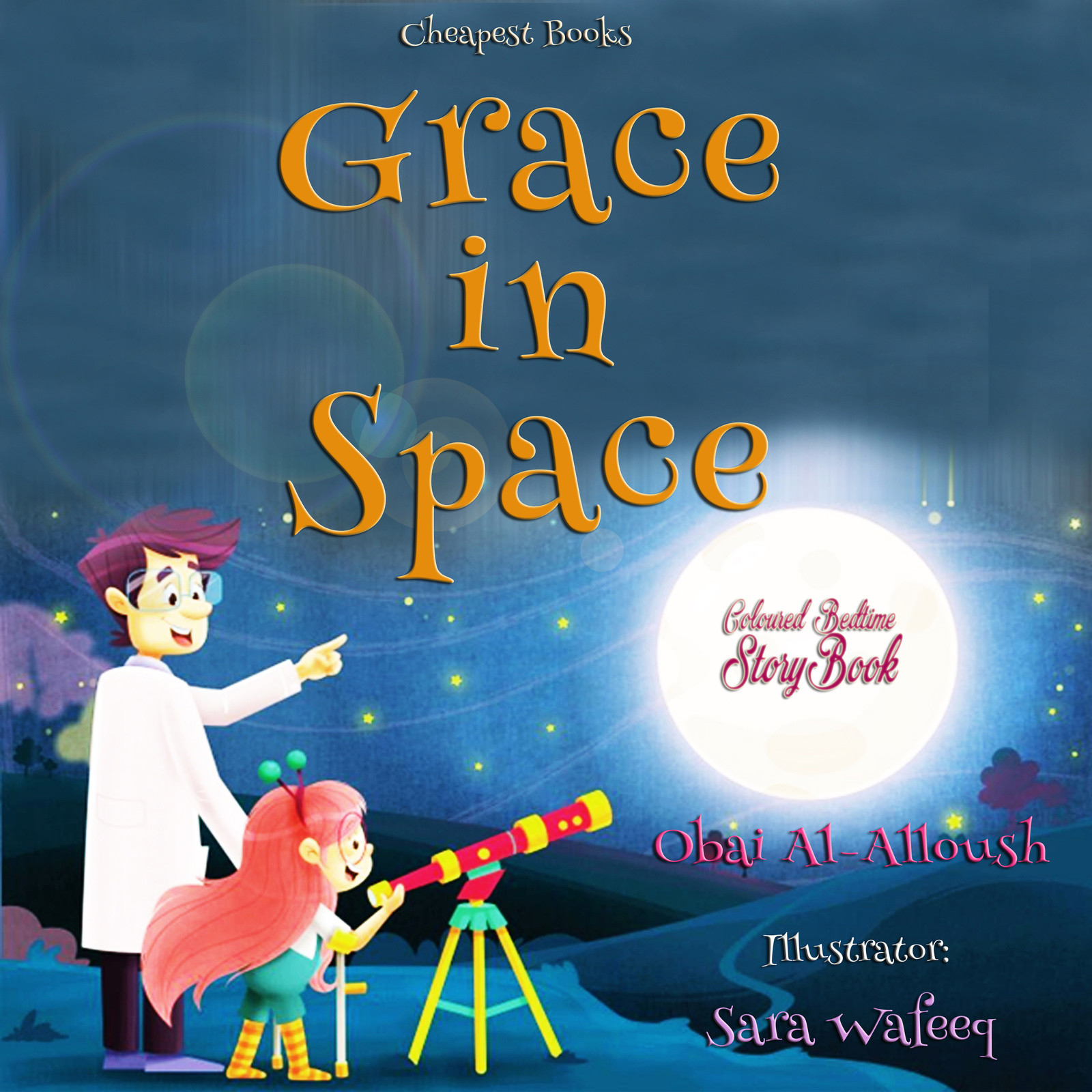
A Little Girl travels with her uncle to space and returns years later.Grace was fascinated by outer space.In the morning, she read astronomy books. After lunch, she studied the planets. And every night she counted the stars.
This item is available online. Expand information to see details.
Dostęp do treści elektronicznej wymaga posiadania kodu dostępu, który można odebrać w bibliotece.
E-book
In basket
Form of Work
1903 senesi sonbaharinda ve yagmurlu bir gecede Aydin'in Nazilli kazasina yakin Kuyucak köyünü eskiyalar bastilar ve bir kari kocayi öldürdüler. Kaza kaymakami Salâhattin Bey, Müddeiumumi ile Doktor'u yanina alarak ertesi günü tahkikata bizzat gitti. Candarma kumandani izinli oldugu için yanlarinda bir basçavus ve üç candarma neferi vardi. Siyah kuzu derisi kalpaklarindan (ve doktorun fesinden) renkli yagmur sulari süzülüyor, sakaklarinda garip sekiller çizdikten sora çenelerinin altinda birleserek gögüslerine damliyordu. Yolun iki tarafindaki islak sögüt ve hayit agaçlarina düsen yagmur damlalari hafif, melankolik bir tipirti çikariyor, atlarin kumlu yolda intizamsiz izler birakan ayaklan gicirtili ve ezik sesler veriyordu. Köye yaklastikça yolun kenarlarindaki agaçlarin cinsi degisti. Simdi birçok yerlerde incir ve ceviz agaçlari, yolun kenarlarinda koyu yesil iki duvar gibi yükseliyor, hatta bazi yerlerde iri cevizler tabii bir kemer vücuda getiriyorlardi. Bu kasvetli ve sipirtili günde hiç ses çikarmadan ilerleyen kafileyi görmek insana elinde olmayan bir ürkeklik veriyordu. Yasi otuz besten fazla olmamasina ragmen kalpaginin kenarindan bembeyaz saçlari görünen kaymakam en ileride, basi önüne egili ve gözleri atinin islak islak sivrilen kulaklarinda, gidiyordu. Müddeiumumi saginda ve biraz acemice ve korkak, atin üzerinde sallaniyor, bir türlü ates almayan çakmagindan sigarasini yakmaya ugrasiyordu.
This item is available online. Expand information to see details.
Dostęp do treści elektronicznej wymaga posiadania kodu dostępu, który można odebrać w bibliotece.
E-book
In basket
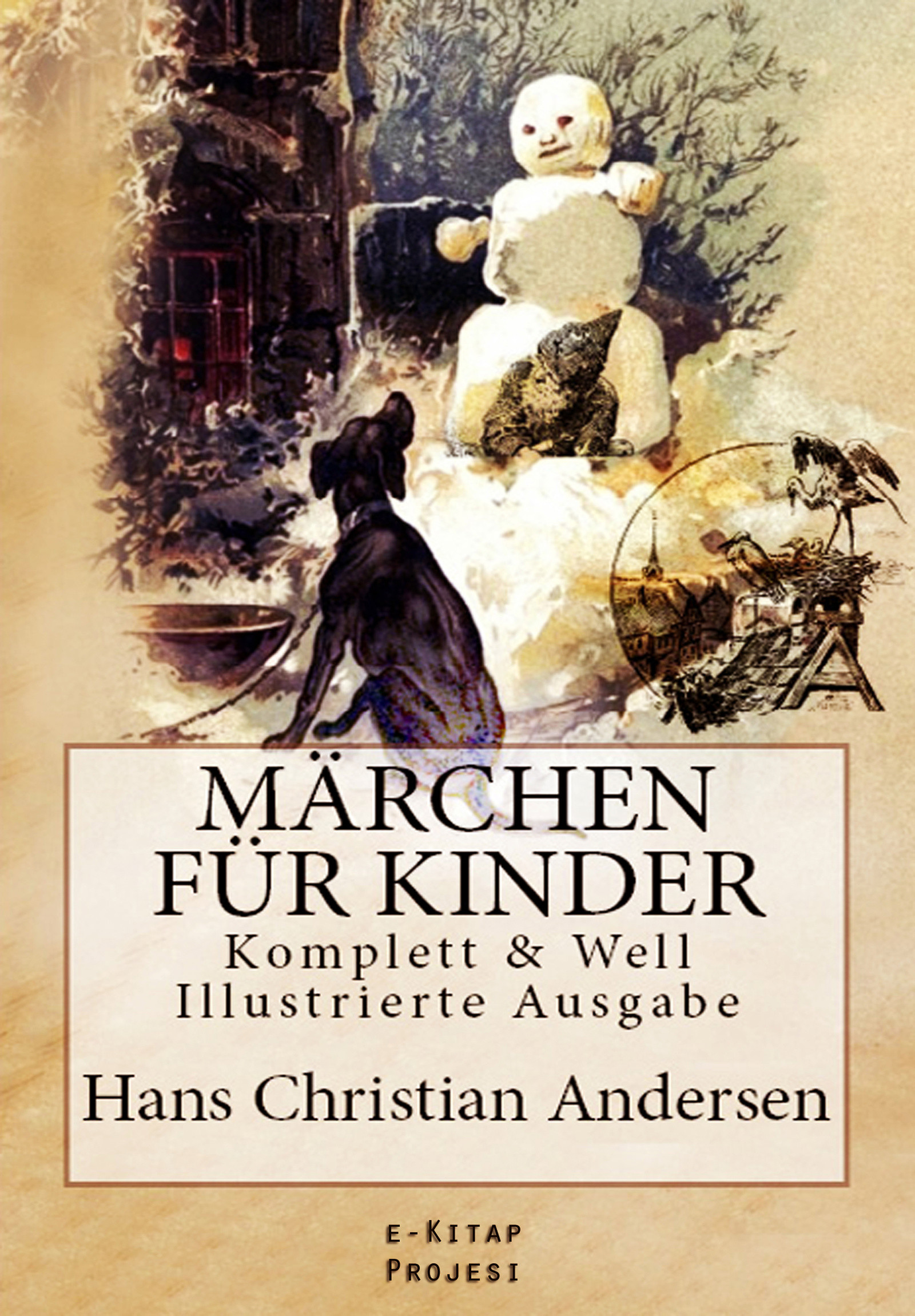
Erste Werke und Reisen: Am Ende seiner Schulzeit entstand das Gedicht Das sterbende Kind, in dem der Autor die Welt aus der Sicht eines kleinen Kindes beschrieb. Diese Perspektivwahl wurde später typisch für sein literarisches Schaffen. Das Gedicht wurde in mehreren Sprachen veröffentlicht. In dieser Zeit schrieb Andersen im Alter von ca. 18 Jahren auch sein erstes, nicht veröffentlichtes Märchen vom Talglicht, dessen Manuskript erst 2012 gefunden wurde. In diesem Werk geht es bereits, wie in späteren Werken, um Reichtum und Schönheit, allerdings in noch unausgereifter Sprache. Andersen verliebte sich in Riborg Voigt, die Schwester seines Studienfreundes Christian Voigt. Allerdings war sie bereits einem anderen Mann versprochen. Ihren Abschiedsbrief bewahrte er zeitlebens in einem Ledersäckchen auf, das man erst nach seinem Tod fand. Nach der Heirat Riborgs unternahm Andersen mehrere Reisen nach Deutschland, England, Italien, Spanien und in das Osmanische Reich. Unter dem Einfluss der italienischen Landschaft entstanden die ersten Vorformen der Kleinen Meerjungfrau. Die Beschreibung der Welt in dem gleichnamigen Märchen zeigt deutlich die italienischen Einflüsse. Auf seinen insgesamt 30 großen Reisen kam er 32 Mal nach Dresden und 15 Mal nach Maxen bei Dresden, wo er seine Freunde besuchte, die Mäzene Friederike und Friedrich Anton Serre. Dort schrieb er auch: "Des Herzens Sonnenschein in Sachsen, er strahlt am schönsten doch in Maxen."
This item is available online. Expand information to see details.
Dostęp do treści elektronicznej wymaga posiadania kodu dostępu, który można odebrać w bibliotece.
E-book
In basket
There came a soldier marching down the high road-one, two! one, two! He had his knapsack on his back and his sword at his side as he came home from the wars. On the road he met a witch, an ugly old witch, a witch whose lower lip dangled right down on her chest. "Good evening, soldier," she said. "What a fine sword you've got there, and what a big knapsack. Aren't you every inch a soldier! And now you shall have money, as much as you please." "That's very kind, you old witch," said the soldier.
This item is available online. Expand information to see details.
Dostęp do treści elektronicznej wymaga posiadania kodu dostępu, który można odebrać w bibliotece.
E-book
In basket
Form of Work
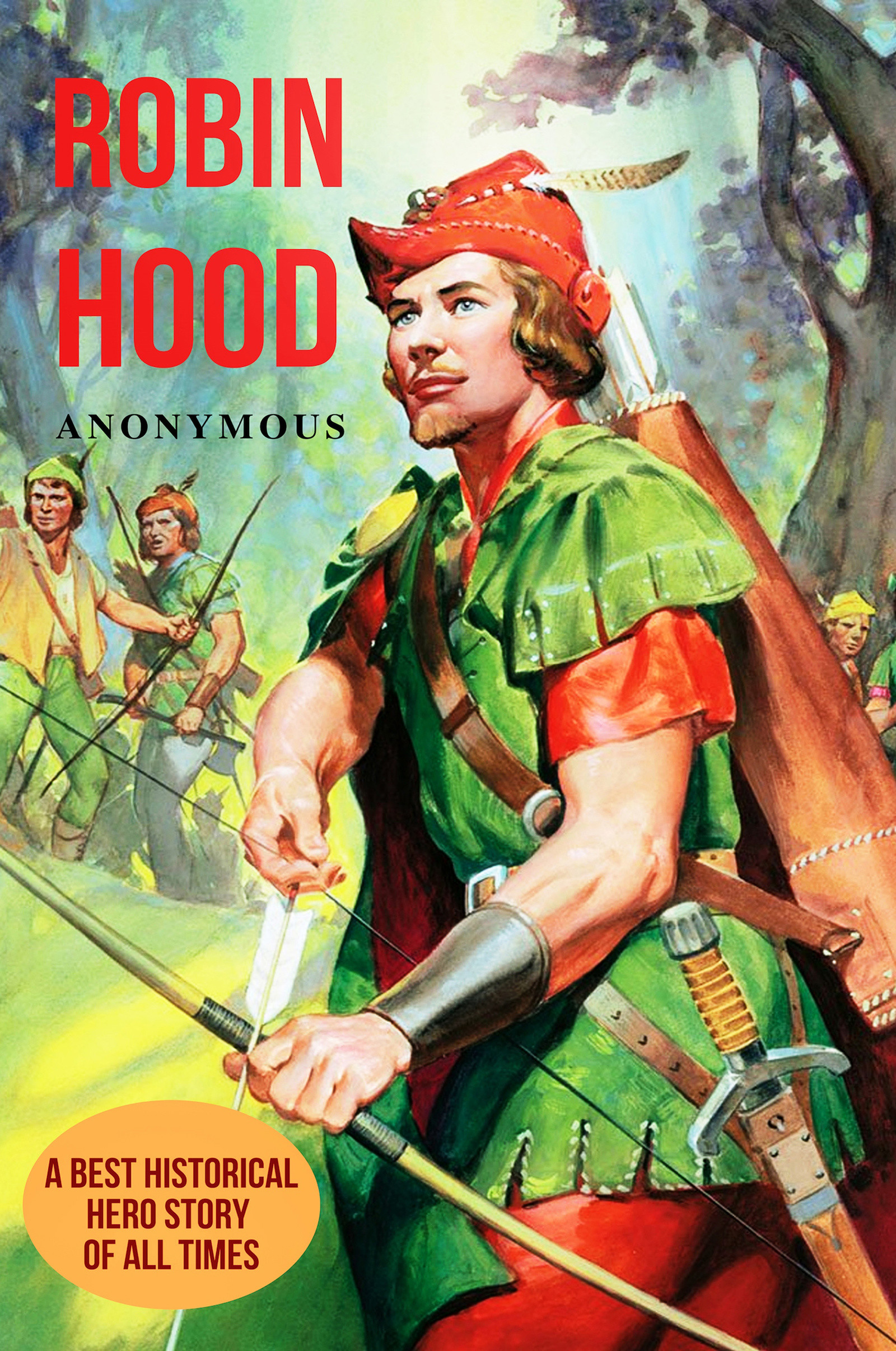
Robin Hood was the legendary hero of England who stole from the rich to help the poor. The stories about Robin appealed to common folk because he stood up againstand frequently outwittedpeople in power. Furthermore, his life in the foresthunting and feasting with his fellow outlaws, coming to the assistance of those in needseemed like a great and noble adventure.Early SourcesThe earliest known mention of Robin Hood is in William Langland's 1377 work calledPiers Plowman,in which a character mentions that he knows "rimes of Robin Hood." This and other references from the late 1300s suggest that Robin Hood was well established as a popular legend by that time.One source of that legend may lie in the old French custom of celebrating May Day. A character called Robin des Bois, or Robin of the Woods, was associated with this spring festival and may have been transplanted to Englandwith a slight name change. May Day celebrations in England in the 1400s featured a festival "king" called Robin Hood.Later VersionsBy the 1500s, more elaborate versions of the legend had begun to appear. Some of these suggested that Robin was a nobleman who had fallen into disgrace and had taken to the woods to live with other outlaws. Robin also acquired a girlfriend named Maid Marian and a new companion, a monk called FriarTuck. His adventures were then definitely linked to Sherwood Forest.Beginning in the 1700s, various scholars attempted to link Robin Hood with a real-life figureeither a nobleman or an outlaw. But none of their theories have stood up to close examination. Robin was most likely an imaginary creation, although some of the tales may have been associated with a real outlaw.Also at about this time, Robin began to be linked with the reigns of King Richard I, "The Lionhearted," who died in 1189, and of King John, who died in 1216. The original medieval ballads, however, contain no references to these kings or to a particular time in which Robin was supposed to have lived.Later versions of the Robin Hood legend placed more emphasis on Robin's nobility and on his romance with Marian than on the cruelty and social tension that appear in the early ballads. In addition to inspiring many books and poems over the centuries, Robin Hood became the subject of several operas and, in modern times, numerous movies.
This item is available online. Expand information to see details.
Dostęp do treści elektronicznej wymaga posiadania kodu dostępu, który można odebrać w bibliotece.
E-book
In basket
Form of Work
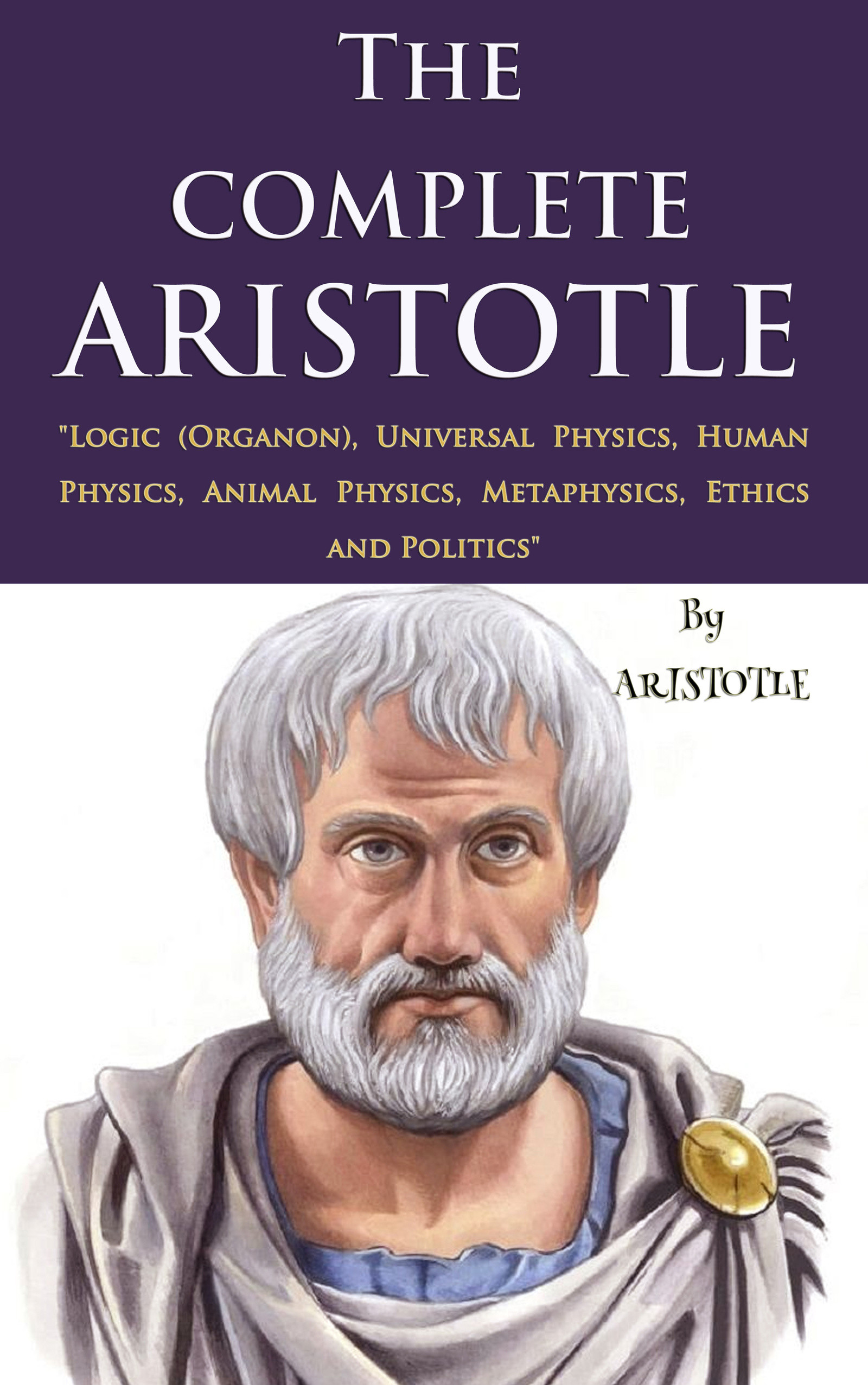
The Corpus Aristotelicum (The Complete Aristotle) is the collection of Aristotle's works that have survived from antiquity through Medieval manuscript transmission. These texts, as opposed to Aristotle's lost works, are technical philosophical treatises from within Aristotle's school. Reference to them is made according to the original texts of Aristotle, which in turn is based on ancient classifications of these works. This complete Book consist of (Contents): Biography (About Aristotle) Part 1: Logic (Organon) Part 2. Universal Physics Part 3: Human Physics Part 4: Animal Physics Part 5: Metaphysics Part 6: Ethics and Politics Part 7: Aesthetic Writings Aristotle, Greek Aristoteles, (born 384 BCE, Stagira, Chalcidice, Greece—died 322, Chalcis, Euboea), ancient Greek philosopher and scientist, one of the greatest intellectual figures of Western history. He was the author of a philosophical and scientific system that became the framework and vehicle for both Christian Scholasticism and medieval Islamic philosophy. Even after the intellectual revolutions of the Renaissance, the Reformation, and the Enlightenment, Aristotelian concepts remained embedded in Western thinking. Aristotle's intellectual range was vast, covering most of the sciences and many of the arts, including biology, botany, chemistry, ethics, history, logic, metaphysics, rhetoric, philosophy of mind, philosophy of science, physics, poetics, political theory, psychology, and zoology. He was the founder of formal logic, devising for it a finished system that for centuries was regarded as the sum of the discipline; and he pioneered the study of zoology, both observational and theoretical, in which some of his work remained unsurpassed until the 19th century. But he is, of course, most outstanding as a philosopher. His writings in ethics and political theory as well as in metaphysics and the philosophy of science continue to be studied, and his work remains a powerful current in contemporary philosophical debate.
This item is available online. Expand information to see details.
Dostęp do treści elektronicznej wymaga posiadania kodu dostępu, który można odebrać w bibliotece.
E-book
In basket
Form of Work
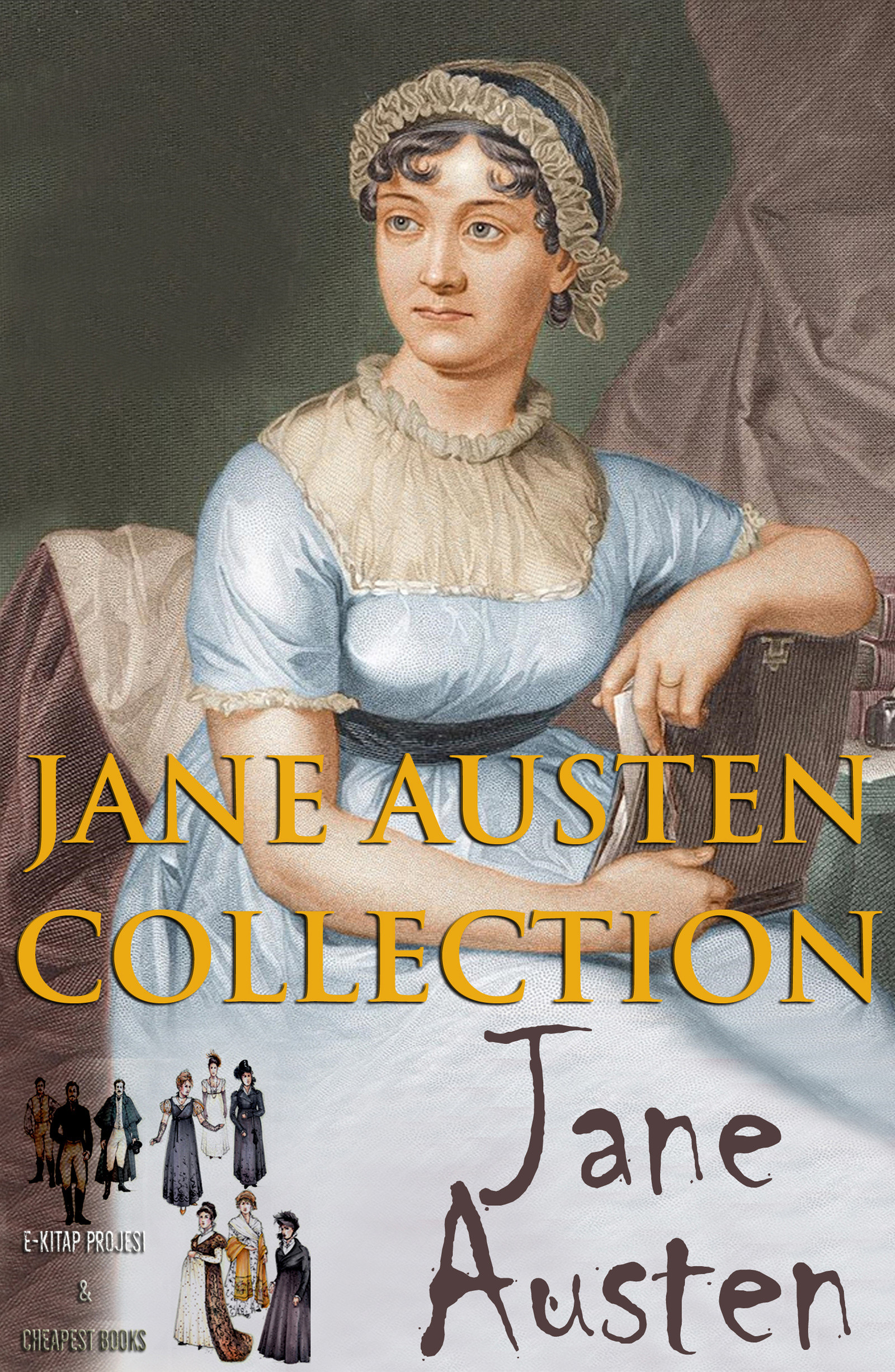
This Excellent Collection brings together Jane Austen's longer, major books and a fine selection of shorter pieces and Fiction Books. These Books created and collected in Jane Austen's Most important Works illuminate the life and work of one of the most individual writers of the XIX and XX century - a woman who elevated political writing to an art. Jane Austen (16 December 1775 – 18 July 1817) was an English novelist known primarily for her six major novels, which interpret, critique and comment upon the British landed gentry at the end of the 18th century. Austen's plots often explore the dependence of women on marriage in the pursuit of favourable social standing and economic security. Her works critique the novels of sensibility of the second half of the 18th century and are part of the transition to 19th-century literary realism. Her use of biting irony, along with her realism, humour, and social commentary, have long earned her acclaim among critics, scholars, and popular audiences alike. While not widely known in her own time, Jane Austen's comic novels of love among the landed gentry gained popularity after 1869, and her reputation skyrocketed in the 20th century. Her novels, including Pride and Prejudice and Sense and Sensibility, are considered literary classics, bridging the gap between romance and realism. This Collection included: 1. Lady Susan 2. Sense and Sensibility 3. Pride and Prejudice 4. Mansfield Park 5. Emma 6. Persuasion 7. Northanger Abbey 8. Juvenilia – Volume I 9. Juvenilia – Volume II 10. Juvenilia – Volume III
This item is available online. Expand information to see details.
Dostęp do treści elektronicznej wymaga posiadania kodu dostępu, który można odebrać w bibliotece.
E-book
In basket
Form of Work
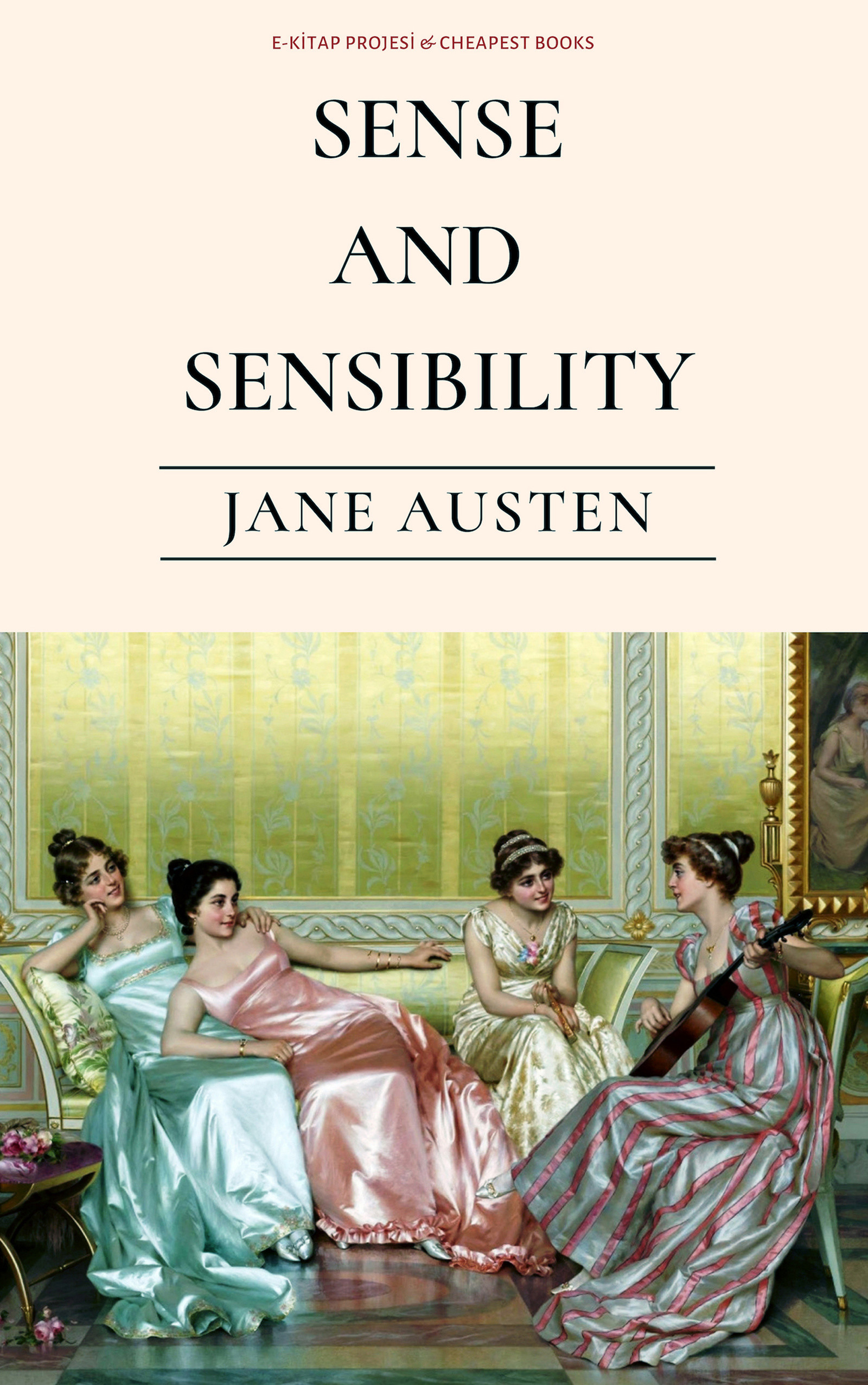
Sense and Sensibility is a novel by Jane Austen, published in 1811. It was published anonymously; By A Lady appears on the cover page where the author's name might have been. It tells the story of the Dashwood sisters, Elinor and Marianne, both of age to marry. The novel follows the young women to their new home with their widowed mother, a meagre cottage on the property of a distant relative, where they experience love, romance and heartbreak. The novel is set in southwest England, London and Sussex between 1792 and 1797. Book History: Based on notes left by her sister, Jane Austen's first draft of Sense and Sensibility, titled "Elinor and Marianne," was written as early as 1795 when she was about 19 years old, probably in epistolary form (a novel-in-letters). In November 1797, Austen returned to the manuscript and converted it to the narrative format we know today. But it wasn't until she moved to Chawton that she made a final round of revisions in 1809-1810 and, with her brother Henry as her agent, eventually submitted Sense and Sensibility to publisher Thomas Egerton. Believing in her work and determined to be a published author, Jane Austen took a financial risk and published the novel on a commission basis. In this arrangement, she paid for the production and advertising of Sense and Sensibility, gave Egerton a commission for distributing and selling the book, and kept the remaining profit from the sales. Austen chose to remain anonymous because at that time it was not entirely acceptable for a woman of her status to publish for profit. The title page of the novel says simply, "By a Lady." We know from her letters that Austen was in the process of correcting proofs in April 1811, hoping the book would be published soon. However, the wait was longer than anticipated; Sense and Sensibility was first advertised for sale in The Star on October 30. Ads ran in newspapers throughout November and also appeared at various times throughout 1812. The book was described variously as an "Extraordinary Novel!" an "Interesting Novel," and, by December 1812, a "Popular New Novel."
This item is available online. Expand information to see details.
Dostęp do treści elektronicznej wymaga posiadania kodu dostępu, który można odebrać w bibliotece.
E-book
In basket
Form of Work
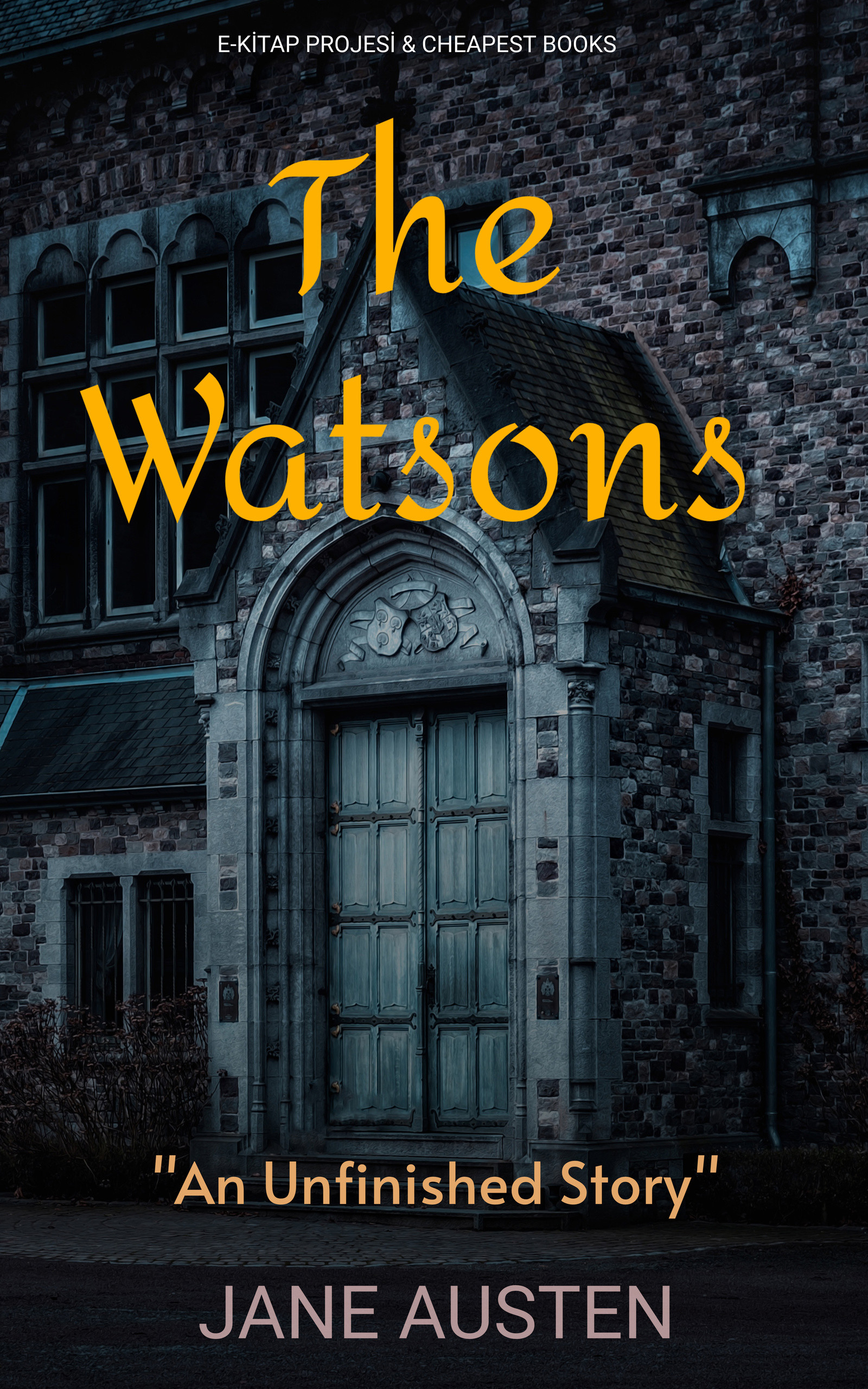
The Watsons is an unfinished novel by Jane Austen. She began writing it c. 1803 and probably abandoned it after her father's death in January 1805. It has five chapters, and is less than 18,000 words long. Mr. Watson is a widowed clergyman with two sons and four daughters. The youngest daughter, Emma, has been brought up by a wealthy aunt and is consequently better educated and more refined than her sisters. But when her aunt contracts a foolish second marriage, Emma is obliged to return to her father's house. There she is chagrined by the crude and reckless husband-hunting of two of her sisters. She finds the kindness of her eldest and most responsible sister, Elizabeth, more attractive. Mr. Watson is seriously ill in the opening chapters, and Austen confided in her sister Cassandra that he was to die in the course of the work. Emma was to decline a marriage proposal from Lord Osborne, and was eventually to marry Osborne's virtuous former tutor, Mr. Howard.
This item is available online. Expand information to see details.
Dostęp do treści elektronicznej wymaga posiadania kodu dostępu, który można odebrać w bibliotece.
E-book
In basket
Form of Work
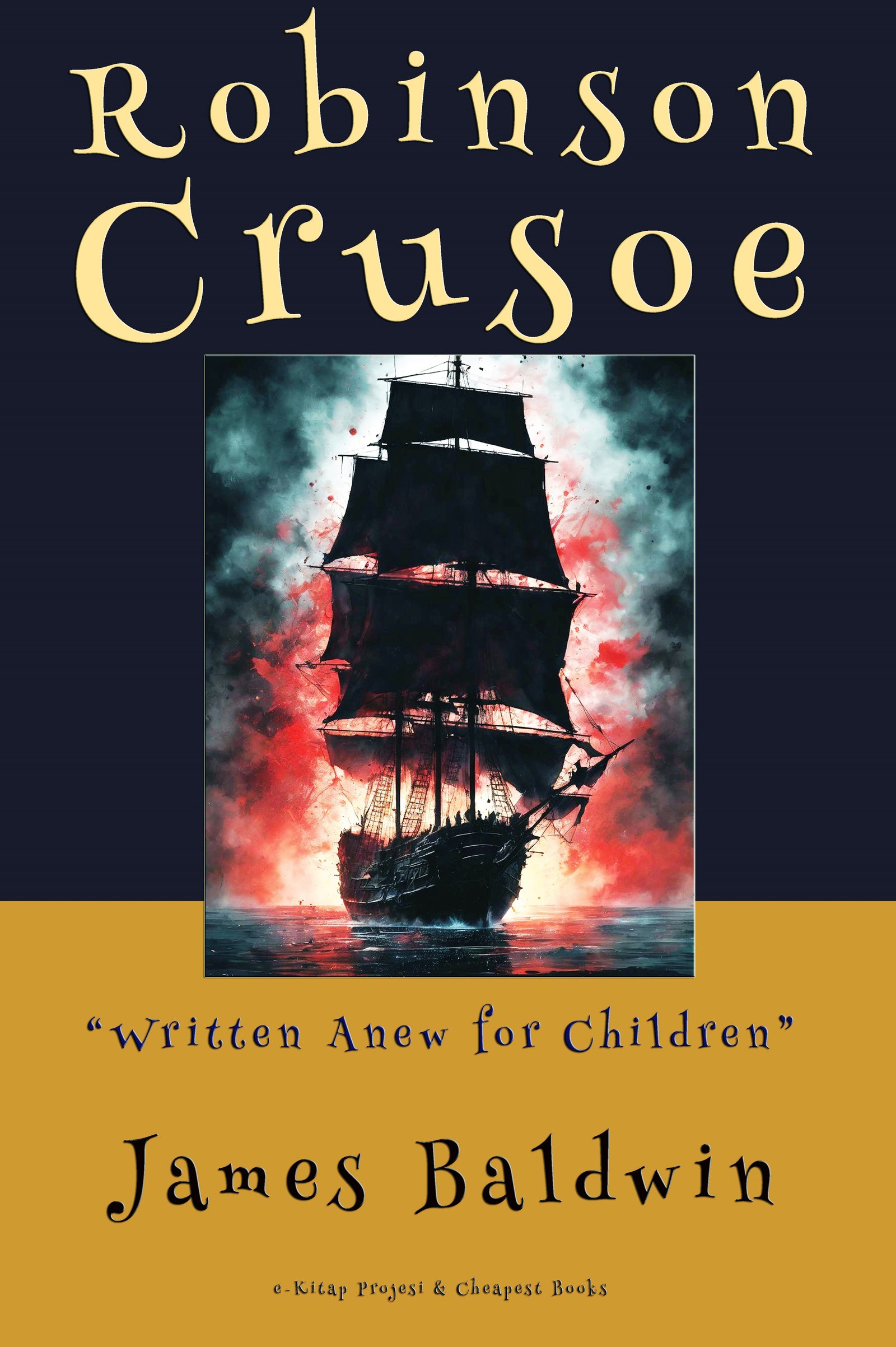
IN the year 1719 an Englishman whose name was Daniel Defoe wrote a very long story, which he called "The Life and Surprising Adventures of Robinson Crusoe." His story was not designed for children, and therefore it contained a great deal of hard reading. There was much in it, however, that was interesting to young people, and from that day to this, the marvelous tale of Robinson Crusoe has been a favorite with boys as well as men. I have rewritten the story in words easy for every child, and have shortened it by leaving out all the dull parts.I WISH TO BE A SAILORMY name is Robinson Crusoe. I was born in the old city of York, where there is a broad river, with ships coming and going. When I was a little boy, I spent much of my time looking at the river.How pleasant was the quiet stream, flowing, always flowing,Toward the far-away sea!
This item is available online. Expand information to see details.
Dostęp do treści elektronicznej wymaga posiadania kodu dostępu, który można odebrać w bibliotece.
E-book
In basket
Ten minutes later a passing taxi was hailed by a shivering gentleman carrying an iron pot full of pennies and nickels and an occasional quarter in one hand, and a turkey-red coat, trimmed with white cotton cloth, thrown over his arm. Strange to say, considering the inclemency of the night, he wore neither a hat nor an overcoat."Where to, sir?" queried the chauffeur."The police-station," said Hetherington. "I don't know where it is, but the one in this precinct is the one I want.""Ye'll have to pay by the hour to-night, sir," said the chauffeur. "The station ain't a half-mile away, sir, but Heaven knows how long it'll take us to get there.""Charge what you please," retorted Hetherington. "I'll buy your darned old machine if it's necessary, only get a move on."The chauffeur, with some misgivings as to the mental integrity of his fare, started on their perilous journey, and three-quarters of an hour later drew up in front of the police-station, where Hetherington, having been compelled in self-defense to resume the habiliments of Santa Claus under penalty of freezing, alighted."Just wait, will you?" he said, as he alighted from the cab."I'll go in with you," said the chauffeur, acting with due caution. He had begun to fear that there was a fair chance of his having trouble getting his fare out of a very evident lunatic.Utterly forgetful of his appearance in his festal array, Hetherington bustled into the station, and shortly found himself standing before the sergeant behind the desk."Well, Santa Claus," said the official, with an amused glance at the intruder, "what can I do for you to-night? There ain't many rooms with a bath left."
This item is available online. Expand information to see details.
Dostęp do treści elektronicznej wymaga posiadania kodu dostępu, który można odebrać w bibliotece.
E-book
In basket
Form of Work
This book, like the others of this series, has only been rendered possible by the courtesy and complaisance of the various collectors from whom I have culled my treasures. In particular, I have to thank Mr. Larminie and Mr. Eliot Stock for permission to include that fine tale "Morraha" from the former's "West Irish Folk-tales," the chief addition to the Celtic store since the appearance of my last volume. I have again to thank Dr. Hyde for permission to use another tale from his delightful collection. Mr. Curtin has been good enough to place at my disposal another of the tales collected by him in Connaught, and my colleague, Mr. Duncan, has translated for me a droll from the Erse. Above all, I have to thank Mr. Alfred Nutt for constant supervision over my selection and over my comments upon it. Mr. Nutt, by his own researches, and by the encouragement and aid he has given to the researches of others on Celtic folk-lore, has done much to replace the otherwise irreparable loss of Campbell. With this volume I part, at any rate for a time, from the pleasant task which has engaged my attention for the last four years. For the "English" folk-lore district I have attempted to do what the brothers Grimm did for Germany, so far as that was possible at this late day. But for the Celtic area I can claim no such high function; here the materials are so rich that it would tax the resources of a whole clan of Grimms to exhaust the field, and those Celtic Grimms must be Celts themselves, or at any rate fully familiar with the Gaelic. Here then is a task for the newly revived local patriotism of Ireland and the Highlands. I have done little more than spy the land, and bring back some specimen bunches from the Celtic vine. It must be for others, Celts themselves, to enter in and possess the promised land. JOSEPH JACOBS.
This item is available online. Expand information to see details.
Dostęp do treści elektronicznej wymaga posiadania kodu dostępu, który można odebrać w bibliotece.
E-book
In basket
Form of Work
INFANCY & YOUTH:Santa Claus, as a baby, is found in the Forest of Burzee by Ak, the Master Woodsman of the World (a supreme immortal), and placed in the care of the lioness Shiegra; but thereupon adopted by the Wood Nymph, Necile.Upon reaching young adulthood, Claus is introduced by Ak to human society, wherein he sees war, brutality, poverty, child neglect, and child abuse. Because he cannot reside in Burzee as an adult, he settles in the nearby Laughing Valley of Hohaho, where the immortals regularly assist him, and Necile gives him a little cat named Blinky.INVENTING TOYS:In the Laughing Valley, Claus becomes known for kindness toward children. On one occasion, his neighbors' son Weekum visits him; and Claus having made an image of Blinky to pass the time, presents him with the finished carving, calling it a "Toy". Soon, the immortals begin assisting him in the production of other carvings: the Ryls coloring the toys with their infinite paint pots (the first toy was not colored). When he makes a clay figure reminiscent of Necile, he proclaims it a "Dolly" to evade naming Necile to the children ("Doll" results when children shorten the name).Claus presents the first one to Bessie Blithesome, a local noblewoman, after consulting with Necile and the Queen of the Fairies about whether he should give toys to wealthy children. Later dolls resemble Bessie herself; and later still, counterfeit infant girls.GIFT EXCHANGES & CHRISTMAS:As his journeys continue, Claus is aided by two deer named Glossie and Flossie, who pull his sleigh full of toys. With their aid, he reaches the dominions of the Gnome King, who wants toys for his children, but trades a string of sleigh bells for each toy given by Claus. In restriction of the deer's service to a single day annually, their supervisor Wil Knook decides upon Christmas Eve, two weeks away from the hearing, believing this will mean a year without taking the reindeer from their homes; but the Fairies retrieve the toys the Awgwas stole and bring them to Claus, allowing Claus's first Christmas to proceed in spite of Wil.SANTA CLAUS, CHRISTMAS TREES & STOCKINGS:As Claus continues giving gifts, he earns the title "Santa". Claus sees stockings placed by the fire to dry are a good place for his surprises; but when he finds a family (sometimes taken to be Native Americans, or caricatures of the same) living in a tent with no fireplaces, he places the gifts on the branches of the trees just outside the tent.
This item is available online. Expand information to see details.
Dostęp do treści elektronicznej wymaga posiadania kodu dostępu, który można odebrać w bibliotece.
E-book
In basket
American Fairy Tales is a collection of twelve fantasy stories by L. Frank Baum. Lyman Frank Baum (1856 1919) was an American author, actor, and independent filmmaker best known as the creator, along with illustrator W. W. Denslow, of one of the most popular books ever written in American children's literature, The Wonderful Wizard of Oz, better known today as simply The Wizard of Oz. He wrote thirteen sequels, nine other fantasy novels, and a plethora of other works, and made numerous attempts to bring his works to the stage and screen.
This item is available online. Expand information to see details.
Dostęp do treści elektronicznej wymaga posiadania kodu dostępu, który można odebrać w bibliotece.
E-book
In basket
Form of Work
You will, I know, permit me to address you these essays which are more the product of your erudition than of my enthusiasm. With the motives of their appearance you are familiar. We have wondered together that a society so avid of experience and enlargement as is ours, should ignore the chief expression of its closest neighbour, its highest rival and its coheir in Europe: should ignore, I mean, the literature of the French. We have laughed together, not without despair, to see the mind of England, for all its majesty and breadth, informed at the most critical moments in the policy of France by such residents of Paris as were at the best fanatical, at the worst (and most ordinary) corrupt. Seeing around us here a philosophy and method drawn from northern Germany, a true and subtle sympathy with the Italians, and a perpetual, just and accurate comment upon the minor nationalities of Europe, a mass of recorded travel superior by far to that of other countries, we marvelled that France in particular should have remained unknown. We were willing, in an earlier youth, to read this riddle in somewhat crude solutions. I think we have each of us arrived, and in a final manner, at the sounder conclusion that historical accident is principally to blame. The chance concurrence of this defeat with that dynastic influence, the slip by which the common sense of political simplicity missed footing in England and fell a generation behind, the marvellous industrial activities of this country, protected by a tradition of political discipline which will remain unique in History; the contemporaneous settling down of France into the equilibrium of power--an equilibrium not established without five hearty civil wars and perhaps a hundred campaigns--all these so separated the two worlds of thought as to leave France excusable for her blindness towards the destinies and nature of England, and England excusable for her continued emptiness of knowledge upon the energy and genius of France: though these were increasing daily, immensely, at our very side.
This item is available online. Expand information to see details.
Dostęp do treści elektronicznej wymaga posiadania kodu dostępu, który można odebrać w bibliotece.
E-book
In basket
Form of Work
Alan Thurston was an immunologist at Midwestern University Medical School. Like most men in the teaching trade, he also had a research project. If it worked out, he'd be one of the great names in medicine; like Jenner, Pasteur, and Salk. But it didn't work. Quite the opposite . . . he created a disease the ravaged the human race. This special illustrated edition now includes original drawings from Barberis. "We call it Thurston's Disease for two perfectly good reasons," Dr. Walter Kramer said. "He discovered it—and he was the first to die of it." The doctor fumbled fruitlessly through the pockets of his lab coat. "Now where the devil did I put those matches?" "Are these what you're looking for?" the trim blonde in the gray seersucker uniform asked. She picked a small box of wooden safety matches from the littered lab table beside her and handed them to him. "Ah," Kramer said. "Thanks. Things have a habit of getting lost around here." "I can believe that," she said as she eyed the frenzied disorder around her. Her boss wasn't much better than his laboratory, she decided as she watched him strike a match against the side of the box and apply the flame to the charred bowl of his pipe. His long dark face became half obscured behind a cloud of bluish smoke as he puffed furiously. He looked like a lean untidy devil recently escaped from hell with his thick brows, green eyes and lank black hair highlighted intermittently by the leaping flame of the match. He certainly didn't look like a pathologist. She wondered if she was going to like working with him, and shook her head imperceptibly. Possibly, but not probably. It might be difficult being cooped up here with him day after day. Well, she could always quit if things got too tough. At least there was that consolation. He draped his lean body across a lab stool and leaned his elbows on its back. There was a faint smile on his face as he eyed her quizzically. "You're new," he said. "Not just to this lab but to the Institute."
This item is available online. Expand information to see details.
Dostęp do treści elektronicznej wymaga posiadania kodu dostępu, który można odebrać w bibliotece.
E-book
In basket
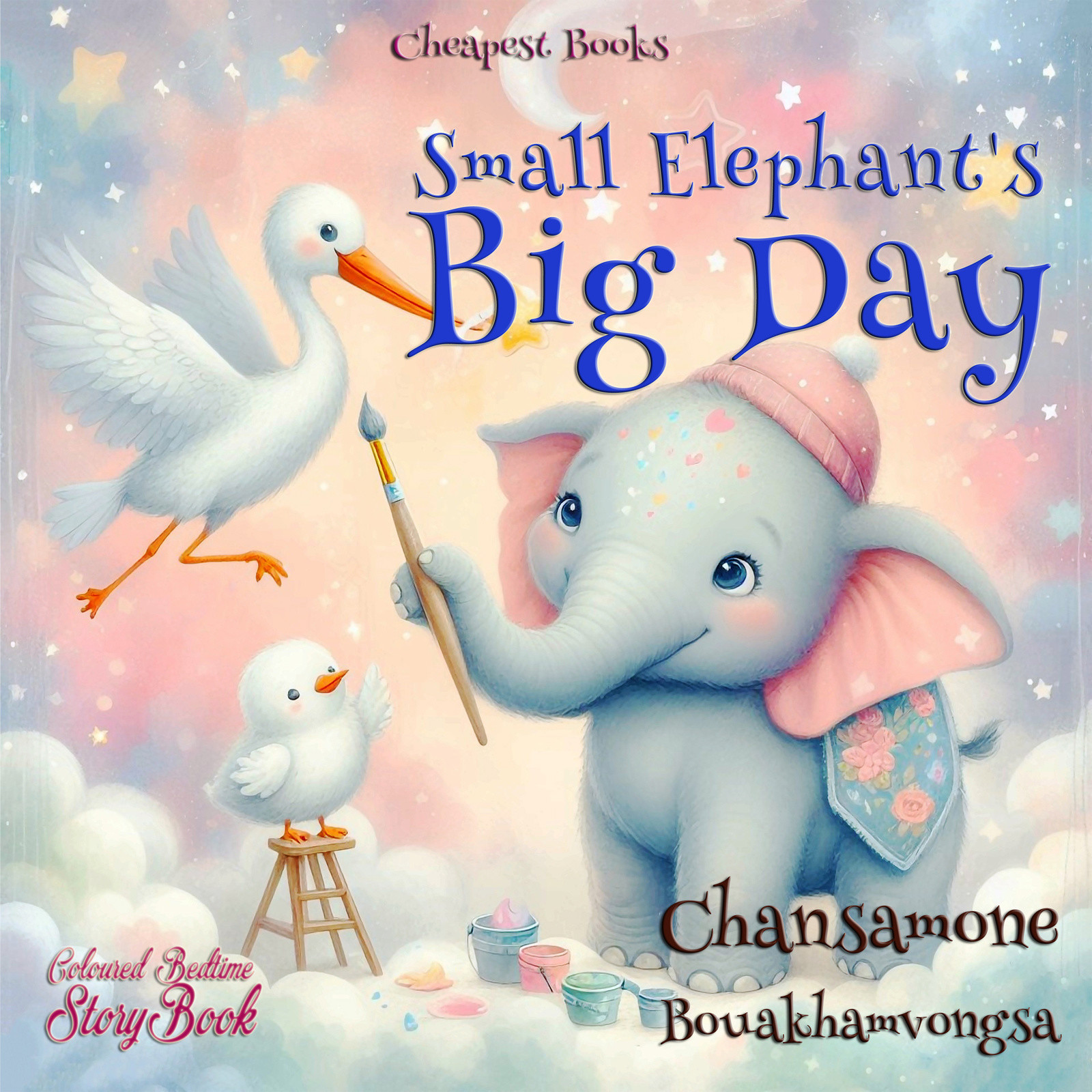
Small Elephant is hunting with his mother and the herd for the first time. What adventures will he have?The small elephant is happy to be able to go hunting for the first time with his mom and the rest of the herd. .
This item is available online. Expand information to see details.
Dostęp do treści elektronicznej wymaga posiadania kodu dostępu, który można odebrać w bibliotece.
E-book
In basket
At the sound of footsteps along the hall Miss Terry looked up from the letter which she was reading for the sixth time. "Of course I would not see him," she said, pursing her lips into a hard line. "Certainly not!"A bump on the library door, as from an opposing knee, did duty for a knock."Bring the box in here, Norah," said Miss Terry, holding open the door for her servant, who was gasping under the weight of a packing-case. "Set it down on the rug by the fire-place. I am going to look it over and burn up the rubbish this evening."She glanced once more at the letter in her hand, then with a sniff tossed it upon the fire."Yes'm," said Norah, as she set down the box with a thump. She stooped once more to pick up something which had fallen out when the cover was jarred open. It was a pink papier-mâché angel, such as are often hung from the top of Christmas trees as a crowning symbol. Norah stood holding it between thumb and finger, staring amazedly. Who would think to find such a bit of frivolity in the house of Miss Terry!Her mistress looked up from the fire, where the bit of writing was writhing painfully, and caught the expression of Norah's face."What have you there?" she asked, frowning, as she took the object into her own hands. "The Christmas Angel!" she exclaimed under her breath. "I had quite forgotten it." Then as if it burned her fingers she thrust the little image back into the box and turned to Norah brusquely. "There, that's all. You can go now, Norah," she said.
This item is available online. Expand information to see details.
Dostęp do treści elektronicznej wymaga posiadania kodu dostępu, który można odebrać w bibliotece.
E-book
In basket
Form of Work
The Pilgrim's Progress, religious allegory by the English writer John Bunyan, published in two parts in 1678 and 1684. The work is a symbolic vision of the good man's pilgrimage through life. At one time second only to the Bible in popularity, The Pilgrim's Progress is the most famous Christian allegory still in print. It was first published in the reign of Charles II and was largely written while its Puritan author was imprisoned for offenses against the Conventicle Act of 1593 (which prohibited the conducting of religious services outside the bailiwick of the Church of England). Part I Part I (1678) is presented as the author's dream of the trials and adventures of Christian (an everyman figure) as he travels from his home, the City of Destruction, to the Celestial City. Christian seeks to rid himself of a terrible burden, the weight of his sins, that he feels after reading a book (ostensibly the Bible). Evangelist points him toward a wicket-gate, and he heads off, leaving his family behind. He falls into the Slough of Despond, dragged down by his burden, but is saved by a man named Help. Christian next meets Mr. Worldly Wiseman, who persuades him to disregard Evangelist's advice and instead go to the village of Morality and seek out Mr. Legality or his son Civility. However, Christian's burden becomes heavier, and he stops. Evangelist reappears and sets him back on the path to the wicket-gate. The gatekeeper, Good-will, lets him through and directs him to the house of the Interpreter, where he receives instruction on Christian grace. Part II In Part II (1684) Christian's wife, Christiana, and their sons as well as their neighbour Mercy attempt to join him in the Celestial City. The psychological intensity is relaxed in this section, and the capacity for humour and realistic observation becomes more evident. Christian's family and Mercy—aided (physically and spiritually) by their guide Great-heart, who slays assorted giants and monsters along the way—have a somewhat easier time, because Christian has smoothed the way, and even such companions as Mrs. Much-afraid and Mr. Ready-to-halt manage to complete the journey. Whereas most of the people encountered by Christian exemplify wrong thinking that will lead to damnation, Christiana meets people who, with help, become worthy of salvation. When they reach the Celestial City, Christiana's sons and the wives they married along the way stay behind in order to help future pilgrims.
This item is available online. Expand information to see details.
Dostęp do treści elektronicznej wymaga posiadania kodu dostępu, który można odebrać w bibliotece.
E-book
In basket
At the Earth's Core is a 1914 fantasy novel by Edgar Rice Burroughs, the first in his series about the fictional "hollow earth" land of Pellucidar. It first appeared as a four-part serial in All-Story Weekly from April 4–25, 1914. It was first published in book form in hardcover by A. C. McClurg in July, 1922. The author relates how, traveling in the Sahara desert, he has encountered a remarkable vehicle and its pilot, David Innes, a man with a remarkable story to tell. Back in the world we know David meets the author, who after hearing his tale and seeing his prehistoric captive, helps him resupply and prepare the mole for the return to Pellucidar. PROLOG: IN THE FIRST PLACE PLEASE BEAR IN MIND THAT I do not expect you to believe this story. Nor could you wonder had you witnessed a recent experience of mine when, in the armor of blissful and stupendous ignorance, I gaily narrated the gist of it to a Fellow of the Royal Geological Society on the occasion of my last trip to London. You would surely have thought that I had been detected in no less a heinous crime than the purloining of the Crown Jewels from the Tower, or putting poison in the coffee of His Majesty the King. The erudite gentleman in whom I confided congealed before I was half through!—it is all that saved him from exploding—and my dreams of an Honorary Fellowship, gold medals, and a niche in the Hall of Fame faded into the thin, cold air of his arctic atmosphere. But I believe the story, and so would you, and so would the learned Fellow of the Royal Geological Society, had you and he heard it from the lips of the man who told it to me. Had you seen, as I did, the fire of truth in those gray eyes; had you felt the ring of sincerity in that quiet voice; had you realized the pathos of it all—you, too, would believe. You would not have needed the final ocular proof that I had—the weird rhamphorhynchus-like creature which he had brought back with him from the inner world. I came upon him quite suddenly, and no less unexpectedly, upon the rim of the great Sahara Desert. He was standing before a goat-skin tent amidst a clump of date palms within a tiny oasis. Close by was an Arab douar of some eight or ten tents.
This item is available online. Expand information to see details.
Dostęp do treści elektronicznej wymaga posiadania kodu dostępu, który można odebrać w bibliotece.
The item has been added to the basket. If you don't know what the basket is for, click here for details.
Do not show it again